Wrecked, Hacked, and Back in Action: The Thriving Black Market for Busted Extreme Sports Gear
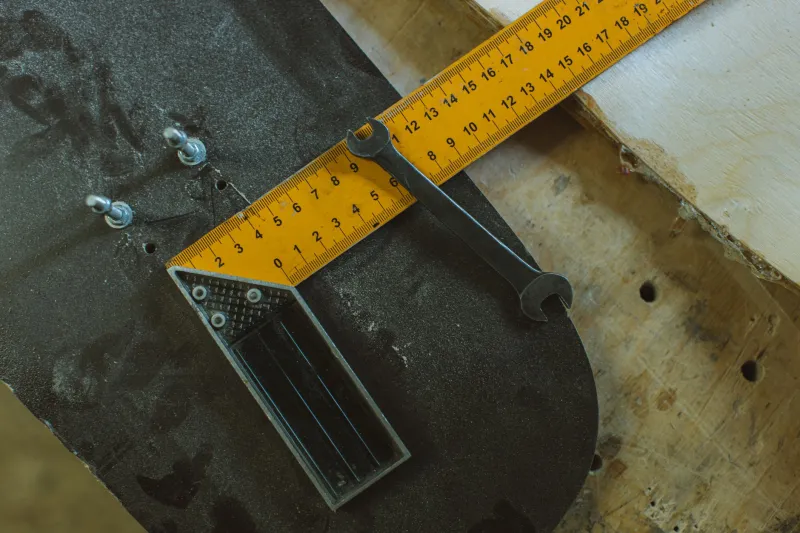
Somewhere in a garage in Tucson, a guy named Derek is heat-gunning a delaminated snowboard deck back into shape. It snapped on a backcountry jump in Colorado three seasons ago, got shipped home in a duffel bag, and has since been reinforced with carbon fiber strips sourced from a totaled drone frame. Derek isn't a professional athlete. He isn't sponsored. And he definitely isn't buying a new board anytime soon — partly because he can't afford one, and partly because he doesn't want to.
"The repaired version rides better," he says, matter-of-factly. "I know exactly where it's stiff and where it flexes. That's not something you get off a shelf."
Derek is one of thousands of people quietly operating inside what gear insiders are calling the Gear Graveyard economy — a sprawling, largely invisible network of athletes, mechanics, collectors, and straight-up tinkerers who trade, salvage, and rebuild extreme sports equipment that manufacturers have written off as unsellable. It's part gray market, part maker culture, and part rebellion against the $400-per-deck pricing model that's priced a lot of real riders out of their own sports.
Where the Broken Stuff Goes
Here's something the industry doesn't advertise: a massive amount of damaged gear never actually gets destroyed. Brands have return policies. Distributors have overstock. Pro athletes go through equipment at a rate that would make your head spin — and when a board cracks, a frame bends, or a binding snaps mid-session, that gear has to go somewhere.
Some of it ends up in dumpsters behind skate shops. Some gets quietly auctioned through employee sales. A surprising amount flows through private Facebook groups, Discord servers, and even old-school forum threads where the currency isn't cash so much as reputation and know-how.
"You build credibility by fixing things other people gave up on," explains Marcus, a former shop tech in Portland who now runs a side business rebuilding downhill mountain bike frames. "I've got frames in here that came straight out of pro team vans after crashes. The team's done with it, the brand won't warranty it, but there's nothing actually wrong with it that a proper weld and some patience can't fix."
Marcus charges a fraction of what a new frame costs. His clients range from weekend warriors to semi-pro riders who want race-ready geometry without the race-ready price tag.
Damage as a Feature
The most interesting thing about this underground market isn't the money — it's the philosophy. For a lot of the people involved, damage isn't a defect to be hidden. It's information.
A cracked skateboard deck tells you exactly where stress concentrates. A dinged-up helmet visor shows you how a particular impact distributes force. A bent bike fork reveals structural weaknesses that a pristine new component never would. The people rebuilding this stuff aren't just patching holes — they're learning things about material behavior that most R&D engineers only see in lab simulations.
Some of that knowledge is looping back into actual product development, though rarely through official channels. A small but growing number of gear startups — particularly in the skateboard truck and protective gear spaces — have founders who came up through exactly this kind of salvage culture. They learned by breaking things, fixing them, breaking them again, and eventually figuring out why.
"The big brands test products in controlled environments," says one gear designer who asked not to be named because she still does contract work for a major action sports company. "We were testing in actual conditions, with actual broken stuff. That's a different kind of data."
The Legal Gray Zone
Not everyone in the salvage gear world is comfortable talking about what they do, and for good reason. The legal picture gets complicated fast.
When a manufacturer recalls or destroys a product — especially safety-critical gear like helmets or harnesses — there are liability reasons behind that decision. A helmet that's been in a significant impact may look fine on the outside while the foam liner has permanently compressed, meaning it won't protect properly in a second hit. Selling or rebuilding that helmet and putting it back into circulation creates real risk.
Most of the serious players in the salvage scene are well aware of this line and stay on the right side of it — they'll rebuild a board or a bike frame all day, but they won't touch helmets, pads, or anything with a safety certification attached. The ethics get murkier in the middle, though, and there are corners of the internet where that line gets crossed without much thought.
For now, the market largely polices itself through reputation. In tight-knit communities, selling someone a dangerous piece of gear is a fast way to get permanently blacklisted.
The Innovation Nobody's Paying For
Pull back from the individual garages and Discord servers and something bigger comes into focus. The salvage gear scene is, quietly, one of the most active sites of materials innovation in extreme sports right now — and it's happening with almost no funding, no corporate oversight, and no press releases.
People are experimenting with hybrid construction methods that mix carbon fiber with traditional wood laminates in ways that major brands haven't tried commercially. They're applying aerospace-grade adhesives to skateboard construction. They're 3D printing replacement parts for binding systems that haven't been manufactured in a decade. Some of it is janky. Some of it genuinely works.
The skateboarding world, in particular, has a long history of this kind of grassroots engineering — it's baked into the culture in a way that's harder to find in, say, the ski industry. But the ethos is spreading. Mountain biking's DIY trail-building scene has a natural overlap with gear hacking. So does the world of parkour and urban freerunning, where athletes have always had to make do with whatever's available.
Riding What Others Threw Away
Back in Tucson, Derek has finished his heat-gun session. The delaminated layer has re-bonded, the carbon strips are curing, and he's already thinking about the next session. He's not worried about whether his board has a warranty. He's not concerned about what the brand's Instagram says this season's preferred setup should look like.
He knows this board. He built it, in a sense. And that relationship — between a rider and a piece of gear that's been broken and made whole again — is something you genuinely can't buy new.
The Gear Graveyard isn't just a market. It's a mindset. And for a growing number of people in the extreme sports world, it might just be the most authentic corner of the whole scene.