One Camera, Zero Gatekeepers: How Extreme Athletes Are Taking Live Broadcasting Into Their Own Hands
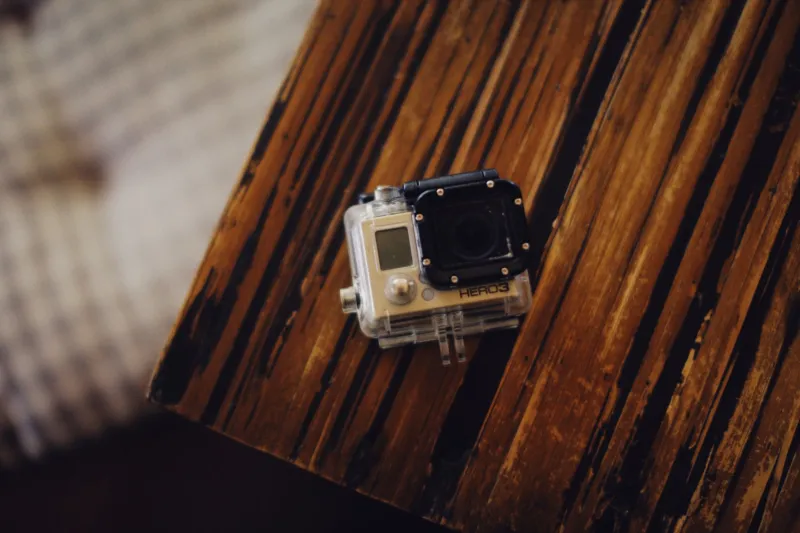
There's a skater in Phoenix who pulls in more live viewers on a Tuesday afternoon than some regional sports networks see on a Saturday night. He's not sponsored by a major brand. He doesn't have a production team. He's got a GoPro Hero 12, a chest mount, a decent Bluetooth mic, and a phone that's basically running at full capacity every time he drops in.
His setup costs less than a used skateboard deck. His audience? Tens of thousands of people who show up every single week because they trust what they're watching is real.
This is the new broadcast booth, and it's built from duct tape, data plans, and pure audacity.
The Setup Is Simpler Than You Think
One of the biggest myths holding people back from going live is the idea that you need serious gear to be taken seriously. In reality, the barrier to entry has never been lower. Most athletes working this space are running a two-to-three piece kit: an action camera for the POV angle, a smartphone for the actual stream, and either a stabilizer or a trusted buddy who doesn't shake too much.
Platforms like YouTube Live, Twitch, and Kick have made the technical side almost frictionless. Apps like Streamlabs and Restream let broadcasters push content to multiple platforms simultaneously without needing a dedicated encoder. Cellular bonding devices — which combine multiple data signals to prevent stream drops — used to be a professional-grade luxury. Now you can grab a basic version for under two hundred bucks.
The real investment isn't the hardware. It's the time spent figuring out what actually works in the field. Wind noise, vibration, unpredictable lighting — outdoor extreme sports streaming is a different animal than sitting in front of a ring light in your bedroom. Athletes who nail it have usually burned through a lot of bad streams to get there.
Why Raw Beats Refined Every Time
Traditional sports broadcasts have a formula. Multiple camera angles, commentary booths, slow-motion replays, graphics packages, ad breaks every seven minutes. It's polished, professional, and increasingly — at least for younger audiences — kind of boring.
What live streaming from a skate park or a mountain bike trail offers is something no production budget can manufacture: genuine unpredictability. When a rider eats it on a technical descent and the camera keeps rolling, that moment is electric in a way that a highlight reel never captures. The chat goes insane. The clip gets clipped. The moment lives forever.
Viewers aren't just watching. They're participating. They're calling out trick requests, debating line choices, throwing virtual tips through features like YouTube Super Thanks or Twitch Bits. The relationship between streamer and audience in this space is fundamentally different from passive TV consumption. It's closer to being at the spot with your crew — except the crew is fifteen thousand people deep.
That sense of access and authenticity is the whole product. And it's something ESPN or Fox Sports simply can't replicate without killing it in the process.
Building a Community That Actually Stays
The athletes who are making real money from independent live streaming aren't just going live and hoping for the best. They're treating their audience like a community worth investing in, because it is.
Discord servers, exclusive behind-the-scenes content on Patreon, merchandise drops timed around major sessions — these aren't side hustles, they're the infrastructure of a sustainable independent media operation. The most successful independent extreme sports streamers have diversified their revenue across three or four channels so that a single platform's algorithm change doesn't crater their income overnight.
Consistency matters enormously here. Audiences build habits around streamers who show up on a schedule. Miss a week without warning and you'll feel it in your numbers. Show up every Saturday at two PM without fail and people start planning their weekends around you. That kind of loyalty is worth more than any one-off viral clip.
Local scenes are also becoming launchpads. A BMX rider in Portland who streams every session at their local park eventually becomes the de facto documentarian of that scene. The riders, the culture, the inside jokes — it all gets captured in real time, and it draws in viewers from that community who then pull in their friends. It's grassroots media in the most literal sense.
The Hidden Cost Nobody Talks About
Here's the part that doesn't make it into the hype cycle: this is genuinely exhausting work.
Going live isn't just about the session itself. There's the pre-stream setup, the post-stream VOD editing for clips worth repurposing, the community management, the technical troubleshooting when your stream drops mid-run for the third time in a row, and the constant pressure to keep delivering something worth watching. Athletes who are also running their own media operation are essentially working two full-time jobs simultaneously.
Burnout is real and it's common. Some of the most promising independent streamers in the extreme sports space have quietly gone dark after a year or two of grinding, not because they ran out of content but because they ran out of energy. The dopamine hit of a big live stream fades fast when you're also dealing with the backend of a media business at midnight after a six-hour skate session.
There's also the physical reality that extreme sports streaming is extreme sports streaming. You're not just behind a desk talking about the action — you're in the middle of it, and the risk of injury doesn't take a day off because you've got a live audience counting on you.
Where This Is All Heading
The trajectory is clear. As 5G coverage expands and streaming tech keeps getting cheaper and more capable, the gap between what an independent athlete-broadcaster can produce and what a traditional network can deliver is going to keep shrinking. The production quality ceiling is rising fast.
What legacy media can't compete with is the relationship. That direct, unmediated connection between the person doing something insane and the people watching it happen in real time — that's the whole game. No network note, no sponsor approval process, no broadcast delay is ever going to replicate it.
The athletes who figure out how to sustain that connection without burning out in the process? They're not just athletes anymore. They're media companies. They're building something that belongs entirely to them.
And honestly, that's the most extreme move of all.