Too Many Tabs, Not Enough Thrills: How Extreme Sports Streaming Got Completely Out of Hand
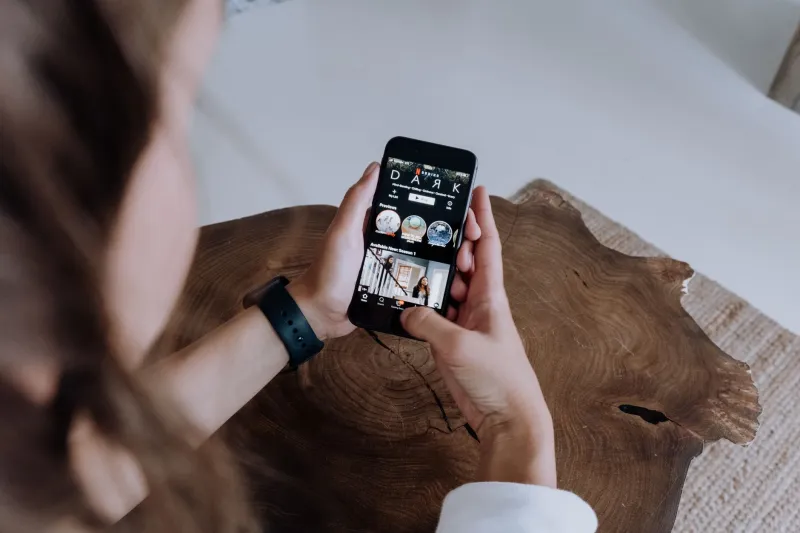
Remember when watching extreme sports meant catching the X Games on ABC or hunting down a scratchy VHS of Dogtown and Z-Boys? Those days are gone. Dead. Buried under a mountain of competing streaming platforms, exclusive licensing deals, and algorithm-driven content drops that make it nearly impossible to follow the sports you love without spending half your paycheck on subscriptions.
Welcome to the streaming wars — extreme sports edition. And honestly? It's kind of a mess.
Everyone Wants a Piece of the Action
The numbers don't lie. Extreme sports viewership has exploded over the last five years, and every major streaming player noticed. Netflix dropped Valley Uprising and followed it up with surf and skate docuseries that racked up millions of views. Red Bull TV built its own dedicated platform and has been quietly stockpiling some of the most jaw-dropping original content in the game. Peacock snagged rights to certain action sports competitions. YouTube — always YouTube — continues to be the chaotic, beautiful free-for-all where half the best raw footage still lives.
And that's before you even get into the niche players. FloSports covers action sports competitions that would otherwise disappear into obscurity. Outside TV (now folded into Outside+) carved out a corner for adventure and outdoor content. Tubi has random extreme sports docs floating around for free if you're patient enough to dig. ESPN+ streams select X Games events. Facebook Watch somehow still exists and hosts live extreme sports broadcasts that nobody talks about but thousands of people actually watch.
The result? Fans who want to follow a single athlete — say, a skater coming up through the amateur circuit — might need YouTube for their training clips, Instagram for behind-the-scenes content, TikTok for viral moments, Red Bull TV for competition coverage, and Netflix if that athlete happens to land a documentary deal. That's five platforms before lunch.
The Exclusivity Game Is Burning Everyone Out
Here's where it gets genuinely frustrating. Streaming platforms aren't just hosting content — they're locking it down. Exclusive deals are the name of the game, and extreme sports properties are getting scooped up fast.
Red Bull has been the most aggressive player here. The brand essentially built a media empire around extreme sports content, and a huge chunk of it lives exclusively on their platform or YouTube channel. That's great if you're a Red Bull fan. Less great if you want a consolidated experience across multiple disciplines and athletes who don't happen to be Red Bull-sponsored.
Meanwhile, Netflix's strategy seems to be: grab the prestige documentary, let everything else scatter. Their extreme sports docs perform well — The Alpinist and surf-focused productions pulled solid numbers — but they're not building out a dedicated extreme sports hub. It's more like extreme sports content shows up when it's culturally relevant, then disappears back into the algorithm.
For skate culture specifically, the fragmentation hits different. Skating has always had a DIY content ecosystem — local crews filming their own stuff, independent video parts dropping on YouTube, Thrasher and The Berrics maintaining their own channels with massive followings. The community built its own media infrastructure before streaming platforms even cared. Now those platforms are circling, offering money for exclusives, and threatening to pull content behind paywalls that the skate community never had to deal with before.
What Fans Are Actually Doing About It
Spoiler: most fans are not paying for twelve streaming services. They're making choices, and those choices are reshaping what content gets made.
YouTube remains the default home base for most extreme sports fans in the US. It's free, it's searchable, and the algorithm — for all its chaos — does a decent job surfacing new athletes and disciplines once it figures out what you're into. The platform's creator ecosystem means that even niche sports like aggressive inline or BMX flatland have dedicated channels with passionate followings.
Beyond YouTube, most fans seem to pick one or two paid platforms max. Red Bull TV gets a lot of love because the production quality is genuinely elite and the content library is deep. Netflix gets picked for the prestige docs. Everything else competes for whatever's left in the entertainment budget.
Social media fills the gaps. Instagram and TikTok function as highlight reels — you see the best clips, follow the athletes you care about, and then decide if a full-length documentary or competition stream is worth tracking down. In a lot of ways, social media has become the discovery layer while streaming platforms fight over the long-form premium content.
The Athletes Caught in the Middle
Here's the part of this conversation that doesn't get enough attention: the athletes themselves are navigating this fragmentation in real time, and it's complicated.
On one hand, more platforms mean more opportunities to get paid. An athlete who might have had zero media options a decade ago can now monetize YouTube, land a Red Bull deal, sell a documentary pitch to Netflix, and build a TikTok following simultaneously. The income ceiling has genuinely risen for elite action sports athletes.
On the other hand, spreading yourself across six platforms is exhausting. The content grind is real. Athletes who want to stay visible have to be creators, editors, social media managers, and brand partners — all while actually training and competing. The ones who can afford to hire help do. The ones who can't burn out trying to keep up.
There's also the visibility problem. When content is fragmented, audiences fragment too. An athlete with a huge YouTube following might be invisible to Netflix subscribers. A skater killing it on TikTok might have zero presence on Red Bull TV. Building a truly broad fan base now requires a cross-platform strategy that would make a marketing agency sweat.
Where Does This Go From Here?
Honestly, nobody really knows — but a few things seem likely.
Consolidation is coming eventually. The streaming market as a whole is contracting, with platforms merging, folding, or pivoting. Some of the smaller action sports streaming services will probably get absorbed or shut down within the next few years. That could either simplify the landscape or just move the exclusivity fights to bigger players.
Live events are the wild card. Whoever can consistently stream live extreme sports competitions — not just docs and highlight packages, but actual real-time coverage — will have serious leverage. Live content creates appointment viewing, and appointment viewing builds loyal audiences. Right now, live extreme sports streaming is scattered and inconsistent. The platform that solves that problem wins.
And then there's the possibility that the skate and action sports community does what it's always done: ignores the industry drama, builds its own thing, and keeps making incredible content on its own terms. The DIY spirit that built skate culture didn't disappear just because Netflix came calling. If the platforms get too greedy, don't be surprised if the best content migrates back to the corners of the internet where it started.
For now, though, fans are stuck with the tab-juggling reality of modern extreme sports streaming. Set up your free trials, share your passwords while you still can, and maybe invest in a good browser extension to keep track of where everything lives. The content is out there. Finding it is just half the battle.