Competing Hurt: The Secret Network Keeping Injured Athletes in the Game
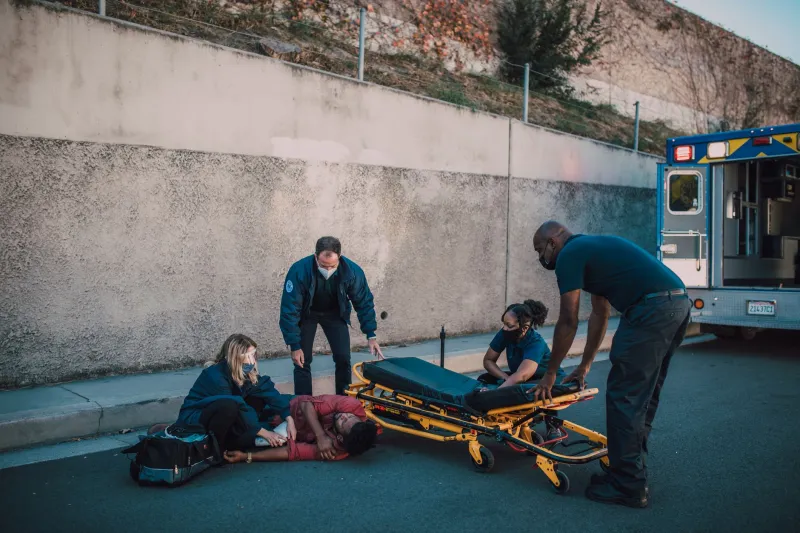
You've seen the crash. Maybe it was a snowboarder eating it on a half-pipe, or a skater folding his ankle on a twelve-stair landing. The crowd winces. The athlete limps off camera. And then — somehow — they're back competing two weeks later like nothing happened. No surgery. No recovery timeline. Just back.
Here's what most fans don't see: the machinery that made that comeback possible. And it's a lot more complicated than ice baths and willpower.
The Money Problem Nobody Talks About
Extreme sports athletes operate in a financial ecosystem that's genuinely brutal. Sponsorships aren't guaranteed year over year. Competition prize money is inconsistent. Endorsement deals often include performance clauses that evaporate the moment an athlete sits out for an extended period. For a lot of competitors — especially those just below the elite tier — missing a season isn't just an inconvenience. It's potentially career-ending.
So when a rider tears a ligament or fractures a wrist, the calculation isn't purely medical. It's economic. Do you report the injury fully, risk losing your sponsor deal, get dropped from competition rosters, and watch your peers take your spot? Or do you find a way to manage it quietly and keep showing up?
For a growing number of athletes, the answer has been the latter.
How the System Works
Sources familiar with the practice — speaking anonymously because the culture of silence is very much still intact — describe a loose but effective network. It typically starts with a team doctor or a trusted sports medicine professional who understands the financial realities athletes face. These aren't necessarily bad actors. Many genuinely believe they're helping athletes navigate an unfair system. But the result is the same: injuries get underreported, downplayed in official documentation, or strategically timed in terms of when they're disclosed.
Coaches play a role too. In disciplines where a single coach manages multiple athletes and has a financial stake in their performance, there's enormous pressure not to pull a competitor from the lineup. Coaches who push injured athletes to compete aren't always doing it out of cruelty — sometimes they're doing it because their own income depends on those athletes placing well.
On the sponsor side, some team managers quietly encourage athletes not to make a big deal out of injuries. One former action sports competitor described it this way: "You learn real fast that saying 'I'm hurt' is the same as saying 'I'm a liability.' Nobody says it out loud, but you know."
The Insurance Angle
Where things get genuinely complicated — and legally risky — is when injury concealment intersects with insurance. Many elite extreme sports athletes carry specialty policies that cover lost income, medical costs, and competition fees. Filing a claim requires documentation. And documentation creates a paper trail.
Some athletes have reportedly worked with medical professionals to time injury reports strategically — filing claims for injuries that occurred at one point but were officially documented much later, or framing the severity of an injury in ways that satisfy insurance requirements while still allowing competition. Others simply don't file at all, absorbing the medical costs privately to avoid any record that could trigger scrutiny.
Insurance fraud in sports isn't new. But extreme sports presents a unique environment because the injuries are so common, the documentation requirements are often less rigorous than in traditional professional leagues, and the athletes are frequently independent contractors with no team legal department looking over their shoulder.
When It All Falls Apart
The consequences when this system breaks down are serious. And they're not just legal.
An athlete competing on a compromised injury is a danger to themselves and, in some disciplines, to others. A snowboarder with a partially torn ACL who catches an edge wrong doesn't just risk re-injury — they risk a catastrophic fall that could be fatal at speed. A skater with a stress fracture in a landing foot who keeps jumping is compounding damage that, left untreated, can result in permanent disability.
There have been cases — again, largely undiscussed publicly — where athletes who competed hurt suffered injuries severe enough to end their careers entirely. Injuries that, had they been properly treated after the initial incident, might have required only a few months of recovery. The attempt to stay in the game ended the game permanently.
On the legal side, the exposure is significant. An athlete who files fraudulent insurance documentation is committing insurance fraud — a federal offense. A medical professional who knowingly facilitates that documentation is risking their license and potentially criminal liability. And a competition organizer who knew or should have known an athlete was competing injured and allowed it anyway faces serious civil liability if that athlete is hurt.
The Culture That Makes It Possible
None of this happens in a vacuum. It's enabled by a deep cultural current in extreme sports that equates toughness with legitimacy. Sitting out is weakness. Competing hurt is proof you're the real deal. That ethos gets reinforced constantly — in social media posts, in competition commentary, in sponsor marketing that leans hard on the image of athletes who push past limits.
Young athletes absorb this and internalize it early. By the time they're dealing with their first serious injury, the idea of fully disclosing it and stepping back already feels like failure. The system doesn't create this pressure alone — the culture does. The system just monetizes it.
Is Anything Changing?
Slowly, maybe. A handful of athletes in recent years have gone public about competing injured and the pressure they felt to do so, and those conversations have started shifting the narrative at least a little. Some competition organizers have begun implementing more rigorous independent medical evaluations before allowing athletes to compete following known incidents. A few sponsor contracts have reportedly started including language that actually protects athletes who take necessary recovery time — though those deals are still the exception.
The deeper cultural shift — the one that would make an athlete feel safe saying "I'm hurt, I need time" without fearing it ends their career — that one's still a long way off.
Until then, the network keeps operating. Quietly, efficiently, and with very real costs that don't always show up until it's too late.