Your Brain Is the Product: The Shady Data Market Hiding Inside Extreme Sports Medicine
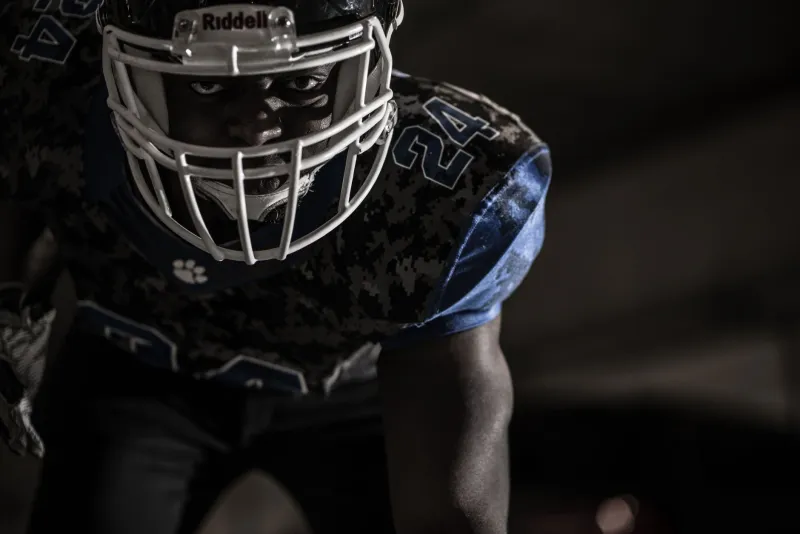
You slam your helmet into a halfpipe wall, see stars for a few seconds, and eventually shake it off. The medical staff logs the incident. A wearable sensor uploads the impact data to the cloud. Your team's sponsorship partner — a biometric tech company — quietly absorbs that information into a growing database. You signed a release form somewhere in that stack of paperwork before the season started. You probably didn't read it.
Welcome to the concussion economy. It's not a conspiracy theory. It's a booming, largely unregulated industry sitting right at the intersection of sports medicine, insurance tech, and venture capital — and extreme athletes are at the center of it whether they know it or not.
The Data Nobody Talks About Collecting
Over the last decade, the sports medicine world has made legitimate strides in understanding traumatic brain injuries. Helmet sensors, impact-monitoring mouthguards, and post-concussion cognitive testing platforms have all become standard equipment at major competitions. The pitch is always the same: better data means better athlete safety.
That part is true. But it's only half the story.
The same data that helps a team doctor assess whether a skateboarder is cleared to drop back into a bowl also has enormous commercial value. Insurers can use it to price risk. Pharmaceutical companies can mine it for clinical research. Biotech startups are building predictive models that flag athletes who are statistically more likely to develop chronic traumatic encephalopathy — better known as CTE — years down the road.
None of this is necessarily illegal. But the line between "medical record" and "marketable asset" has gotten seriously blurry, and most athletes have no idea which side of that line their data is sitting on.
Sponsorships With a Catch
Here's where it gets uncomfortable. A growing number of biometric tech companies are embedding themselves into the extreme sports world through sponsorship deals that look generous on the surface. Free gear, coverage at events, maybe a little cash. In exchange, athletes agree to wear monitoring equipment during training and competition — and to share the resulting data.
For a lot of athletes, especially those grinding on smaller circuits without much financial backing, this is a no-brainer. Free stuff and a little exposure? Sign me up.
But some of those agreements include data-sharing clauses that extend well beyond the duration of the sponsorship. In certain cases, the company retains rights to the athlete's biometric history indefinitely. A 22-year-old freestyle motocross rider who takes a bad spill in 2024 might find that his neurological data is still being referenced in an insurance actuarial model in 2034 — long after he's moved on from the sport.
Sports attorneys who specialize in athlete contracts have started flagging these clauses more frequently, but awareness is still low in the extreme sports community, where deals often get done on a handshake basis and legal review is a luxury most athletes can't afford.
The Insurance Angle Is Even Messier
Insurance companies have always priced extreme sports coverage as high-risk, and that's not surprising. But the availability of granular concussion data is changing how that risk gets calculated — and not always in athletes' favor.
Imagine an insurer that has access to years of impact data from a BMX rider's helmet sensors. They can see how many significant hits she's absorbed, how her cognitive test scores have trended, and how long her recovery windows have stretched after each incident. That's genuinely useful medical information. It's also a liability profile that could be used to deny coverage, raise premiums, or quietly deprioritize a renewal.
In the US, the Health Insurance Portability and Accountability Act — HIPAA — offers some protections around medical data, but its reach doesn't always extend cleanly into the gray zone of privately collected biometric data from wearables. If the data wasn't collected in a clinical setting, the legal protections can get murky fast.
The Federal Trade Commission has taken some steps toward regulating health data from consumer devices, but the regulatory framework hasn't caught up to how fast this technology is moving — or how creatively it's being deployed in niche sports markets.
What Happens When the Data Gets Sold
Data companies get acquired. Startups pivot. Contracts get transferred. The biometric firm that signed your favorite snowboarder to a monitoring deal in 2021 might have sold its dataset to a larger health analytics corporation by 2025. The athlete's neurological history — every impact, every cognitive dip, every flagged anomaly — goes along for the ride.
This isn't hypothetical. It's the standard business lifecycle in the data industry, and sports biometrics is no exception. Athletes who signed agreements with smaller companies often have no visibility into where their data ends up or who ultimately profits from it.
Some advocates are pushing for what they're calling "biometric portability rights" — the idea that athletes should have ongoing access to and control over their own health data, including the right to revoke consent and demand deletion. It's a concept borrowed from broader digital privacy conversations, but it's gaining traction in sports medicine circles.
The Athletes Starting to Push Back
Not everyone is sitting quietly with this. A handful of professional extreme athletes — particularly those who've dealt with serious concussion histories — have started asking harder questions before signing monitoring agreements. Some are bringing lawyers to sponsorship meetings. Others are outright refusing data-sharing clauses, even when it costs them a deal.
There's also a growing conversation inside the community about collective bargaining power. Unlike team sports with established players' associations, extreme sports athletes have historically operated as independent contractors with no unified representation. That's starting to change in small pockets, with athlete collectives forming around shared interests — including data rights.
It's slow going, but the awareness is building.
Where This Goes From Here
The concussion economy isn't going away. The data is too valuable, the technology is too embedded, and the financial incentives are too strong. But the terms of the deal don't have to stay as lopsided as they currently are.
Athletes who understand what they're signing have more power than they think. The companies collecting this data need willing participants — and in a sport culture built on authenticity, a reputation for exploiting your riders is a liability no marketing budget can fully offset.
For now, the best thing any extreme athlete can do is slow down before signing anything with a monitoring component. Get eyes on the data-sharing language. Ask who owns it, who can sell it, and for how long. If those answers aren't clear, that's your answer.
Your brain is already taking enough hits on the hill. Don't let it take one in the fine print too.