Trust Fund Tricks: Is Generational Wealth Quietly Rigging Extreme Sports from the Inside?

Extreme sports has always sold itself as the great equalizer. You don't need a country club membership, a private school pedigree, or a family name that opens doors. You need nerve, skill, and enough stubbornness to keep getting back up. That's the story. It's a good story. It's also getting harder to tell with a straight face.
Because quietly — not in press releases, not in sponsor announcements, not in the highlight reels on this very site — a class divide has been widening in action sports for years. And the currency driving it isn't talent. It's family money.
The Budget Nobody Talks About
Competing at the elite level of any extreme sport costs money. This has always been true. But the scale of what's being spent by well-resourced families on their kids' athletic development has reached a level that most people in the community don't want to acknowledge publicly.
Consider what a serious competitive snowboarder needs in a given year: season lift passes and backcountry access across multiple resorts, travel to competitions across North America and Europe, coaching fees, high-end equipment refreshed seasonally, video production for sponsor content, and — increasingly — private training facilities or access to them. A conservative estimate for a competitive-level program runs $60,000 to $80,000 annually. For athletes chasing international circuits, that number can push well past six figures before you factor in lost wages from the athlete or a parent who's managing logistics full-time.
For a kid from a working-class family, that math is essentially impossible without early and substantial sponsorship. For a kid whose parents have money, it's a line item.
"I've watched incredibly talented athletes wash out not because they weren't good enough but because they couldn't afford to stay in the game long enough to get discovered," says one longtime team manager in the snowboard industry who asked not to be named. "And I've watched kids with decent-but-not-exceptional skills get developed into top-tier competitors because their families could fund the entire process. It happens constantly. Nobody talks about it because it's uncomfortable."
The Sponsorship Catch-22
The conventional wisdom is that sponsorship bridges the gap — brands identify talented kids early and foot the bill. This is true, but it creates a circular problem that disadvantages athletes who don't already have resources.
To get sponsored, you need visibility. To get visibility, you need to be competing at high-profile events, producing quality content, and showing up in the right places. All of that costs money. Athletes from wealthy families can invest in their visibility — professional-grade filming, travel to marquee events, coaching from well-connected professionals — before a single sponsor dollar arrives. Athletes without those resources are waiting for sponsorship to fund the visibility that would attract sponsorship.
The pipeline isn't neutral. It rewards athletes who can afford to look the part before they've proven the part.
Freeride mountain biking is a particularly stark example. The sport's top amateur and semi-pro athletes are spending on bike builds, travel to Utah and British Columbia for key events, and media production that would make a small film crew blush. The athletes cracking into elite-level exposure are disproportionately from backgrounds where that level of investment was available before any sponsor stepped in.
The Equipment Arms Race
Gear is where the economic divide becomes almost comically visible. Every extreme sport has a spectrum of equipment quality, and while talent can partially compensate for inferior gear, it can't close the gap entirely — especially as the sports become more technically demanding.
In skateboarding, a sport that has historically prided itself on accessibility, the rise of technical street skating and high-end park competition has quietly shifted the equipment baseline. Serious competitive skaters are riding setups that cost several times what a beginner's complete board runs, skating shoes that wear out in weeks and need constant replacement, and training in private facilities with features that public parks don't offer.
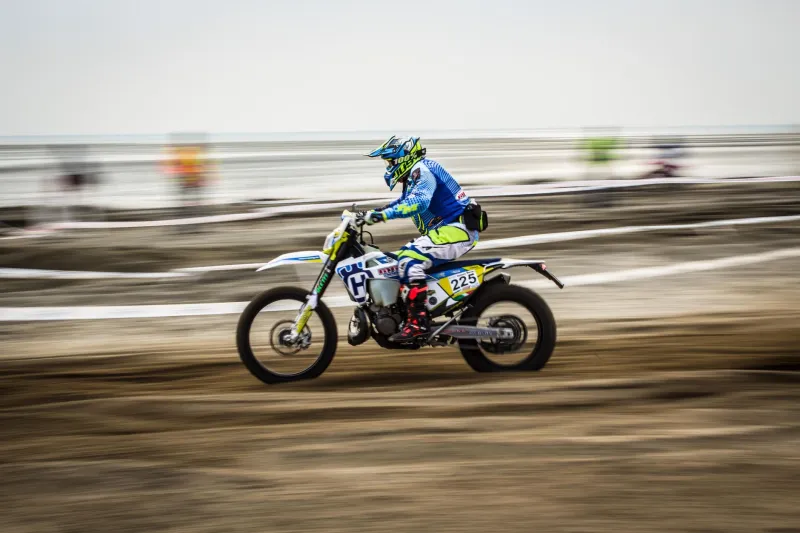
In motorsports — rally racing, desert racing, off-road competition — the wealth barrier is essentially vertical. The machines required to compete at any serious level cost more than most people's annual salaries. Family funding isn't just an advantage in these disciplines; it's a prerequisite.
"The equipment arms race is real," says sports economist Dr. James Calloway, who studies resource access in youth sports. "What we see in mainstream sports — where wealthy families can buy developmental advantages through private coaching and elite facilities — is absolutely present in action sports. The mythology of the sport obscures it, but the data doesn't."
The Meritocracy Myth
None of this is to say that wealthy athletes don't work hard or don't deserve their results. Many of them are genuinely exceptional. The problem isn't individual athletes — it's the structural conditions that determine who gets a real shot at becoming one.
Extreme sports built its cultural identity specifically in opposition to the gatekept, resource-dependent world of mainstream athletics. The skater who couldn't afford a gym membership, the snowboarder who hiked for turns because lift tickets were out of reach, the BMX kid who built jumps in a vacant lot — these aren't just romantic archetypes. They represent a genuine historical reality about who the sports belonged to and what values they encoded.
As the sports have grown, commercialized, and entered the Olympic mainstream, they've absorbed some of the same structural inequalities they originally existed outside of. That's not a unique story — it's the story of virtually every countercultural movement that goes mainstream. But it's worth naming clearly instead of letting the meritocracy mythology do cover for a more complicated reality.
What It Would Take to Actually Fix It
Solutions exist, though none of them are easy. Several organizations are experimenting with need-based development funding — essentially scholarships for talented young athletes who lack the financial runway to compete. The Exposure Skate organization, focused on women's skateboarding, has done meaningful work in this space. Similar models exist in other disciplines, though they're underfunded and reach a fraction of the athletes who need them.
Brand sponsorship programs that actively seek athletes from underrepresented economic backgrounds — rather than waiting for those athletes to fight their way into visibility — could shift the pipeline meaningfully. A few brands are making genuine moves in this direction. Most are not.
And the community itself can start by being honest about what's happening. The first step toward fixing a structural problem is acknowledging it exists, which requires setting aside the feel-good mythology long enough to look at the actual landscape.
Extreme sports doesn't have to be only for kids whose parents can write a $100,000 check. But right now, in ways that don't show up on the podium photos or the sponsor pages, that's increasingly what it's becoming.
The trick looks cleaner when you can afford the right setup. That's not the sport's values. It's just the current reality.